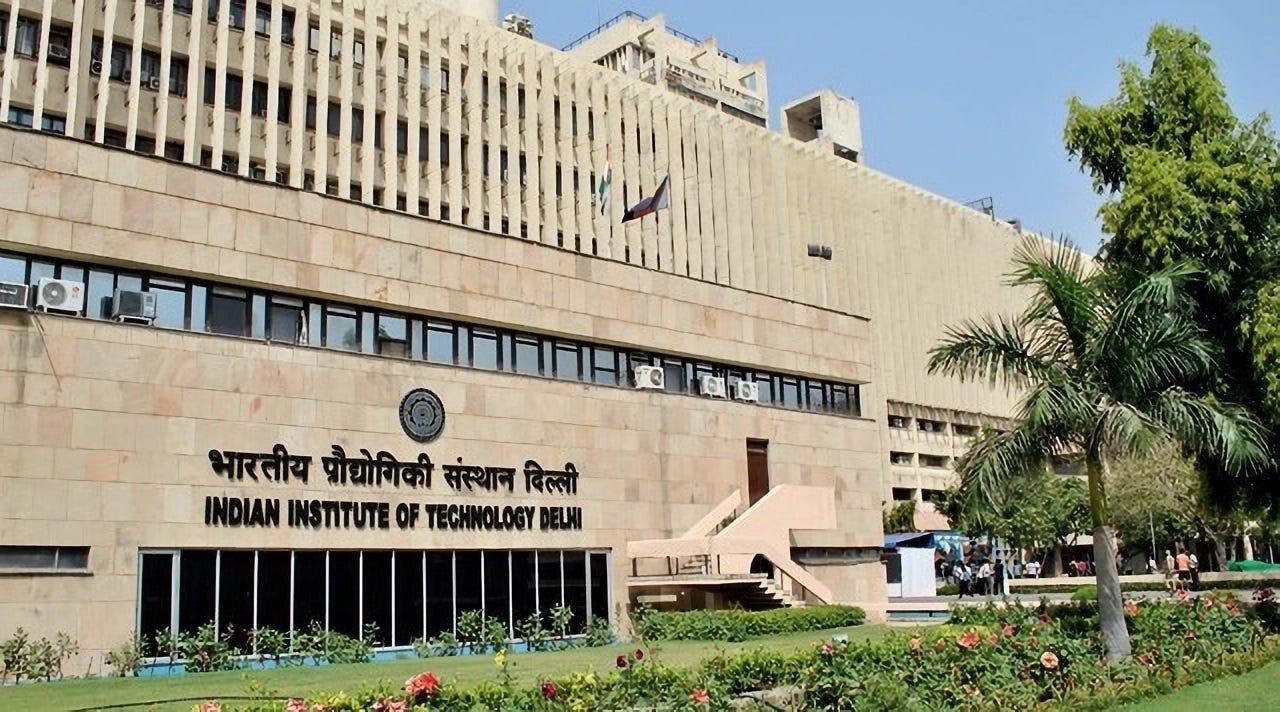
What is IIT?
The IITs, or Indian Institutes of Technology, are autonomous public institutions that offer higher education primarily in engineering, technology, and sciences. There are 23 IITs spread across India, each operating independently but under a common governance and policy framework set by the Indian government. Admission to these institutes is fiercely competitive, requiring excellence in the national-level Joint Entrance Examination (JEE). The IITs are widely regarded as India’s most prestigious engineering institutions, regularly listed among the world’s top universities for technology and sciences.
History of the IITs
The genesis of the IIT system can be traced to India’s post-independence ambitions of achieving scientific and technological excellence. Pandit Jawaharlal Nehru, India’s first Prime Minister, envisioned the IITs as “institutes of national importance,” designed to provide world-class training to engineers and technologists, positioning India on a path to modernisation.
The first IIT, at Kharagpur in West Bengal, was established in 1951. Other IITs followed in quick succession: Bombay (1958), Madras (1959), Kanpur (1959), and Delhi (1961). Each of these IITs enjoyed early international collaboration—West Germany supported IIT Madras, the United States aided IIT Kanpur, and the USSR helped IIT Bombay. The network steadily expanded to 23 established IITs by 2016, each reflecting an evolving vision of excellence alongside social responsibility.
The IITs were formally declared Institutes of National Importance, cementing their role in shaping both policy and practice in India’s scientific and industrial domains. The recruitment of acclaimed faculty, rigorous curriculum, and strong research culture quickly elevated the IITs’ reputation at home and overseas.
Economic Impact of IITs in India
The economic contribution of IITs to the Indian economy has been immense. According to studies, every rupee invested in the IIT system has generated a return of up to fifteen times, catalysing industry, entrepreneurship, and research. IIT graduates have played pivotal roles in generating employment, developing technology, and fostering start-ups. It is estimated that every IIT alumnus has led to the creation of around 100 new jobs, collectively resulting in the generation of 20 million jobs over the past five decades.
IIT alumni have established thousands of companies that have spurred innovation across sectors like information technology, manufacturing, energy, and artificial intelligence, often acting as a bridge between India and the world’s most dynamic economies. The economic ripple effect includes a robust start-up ecosystem, leadership in established industries, academic spin-offs, and government policy input—all powered by IIT minds.
Global Technological and Engineering Impact
The influence of IITs extends well beyond Indian borders. IIT alumni helm some of the world’s leading technology corporations and drive innovation in nearly every major sector. Notably, Sundar Pichai (CEO, Google/Alphabet) and Arvind Krishna (CEO, IBM) are both IIT graduates who have impacted global technology strategy. IITians are also responsible for building successful Silicon Valley start-ups, developing phase-changing technologies, patenting scientific discoveries, and contributing to high-impact research in academia.
IITs foster a culture of rigorous scientific inquiry, systems thinking, and problem-solving. Alumni lead research groups at top global universities, pioneer new fields (such as quantum computing, AI, and sustainable energy), and frequently collaborate in international scientific projects. This cross-pollination enriches both the Indian and global scientific ecosystem.
List of All IITs (2025)
Below is a comprehensive list of all 23 IITs, their locations, and founding years:
| IIT Name | Abbreviation | Location | Founded |
|---|---|---|---|
| IIT Kharagpur | IITKGP | West Bengal | 1951 |
| IIT Bombay | IITB | Maharashtra | 1958 |
| IIT Madras | IITM | Tamil Nadu | 1959 |
| IIT Kanpur | IITK | Uttar Pradesh | 1959 |
| IIT Delhi | IITD | Delhi | 1961 |
| IIT Guwahati | IITG | Assam | 1994 |
| IIT Roorkee | IITR | Uttarakhand | 2001 |
| IIT Ropar | IITRPR | Punjab | 2008 |
| IIT Bhubaneswar | IITBBS | Odisha | 2008 |
| IIT Gandhinagar | IITGN | Gujarat | 2008 |
| IIT Hyderabad | IITH | Telangana | 2008 |
| IIT Jodhpur | IITJ | Rajasthan | 2008 |
| IIT Patna | IITP | Bihar | 2008 |
| IIT Indore | IITI | Madhya Pradesh | 2009 |
| IIT Mandi | IITMD | Himachal Pradesh | 2009 |
| IIT (BHU) Varanasi | IIT BHU | Uttar Pradesh | 2012 |
| IIT Palakkad | IITPKD | Kerala | 2015 |
| IIT Tirupati | IITTP | Andhra Pradesh | 2015 |
| IIT Dhanbad (ISM) | IIT ISM | Jharkhand | 2016 |
| IIT Bhilai | IITBH | Chhattisgarh | 2016 |
| IIT Dharwad | IITDH | Karnataka | 2016 |
| IIT Jammu | IITJMU | Jammu and Kashmir | 2016 |
| IIT Goa | IIT GOA | Goa | 2016 |
These institutes are consistently evolving, with each pursuing excellence in teaching, research, and societal impact.
Cultural and Community Contributions
IITs are more than centres of learning—they are vibrant communities hosting cultural, entrepreneurial, and technological events recognised nationwide, such as Mood Indigo (IIT Bombay) and Techkriti (IIT Kanpur). This blend of tradition and innovation deepens the IITs’ connection with India’s diverse youth, generating a pipeline of talent that shapes not only technical industries but also public life and the arts.
Human Stories: Alumni Achievements
IIT alumni are celebrated for their ingenuity, grit, and ability to adapt, qualities that have defined many global success stories. IIT graduates have made significant contributions to space science (including ISRO’s renowned Mars Orbiter Mission), software development, clean technology, public policy, and product design worldwide. The network of IITians acts as an informal force for mentorship, knowledge transfer, investment, and societal development around the globe.
Summary
The Indian Institutes of Technology have not just transformed Indian education, but have had an outsized influence on the country’s economic and technological trajectory. Their alumni lead global tech giants, build new businesses, and inspire younger generations of engineers and scientists. In a world increasingly defined by technology, the IITs remain crucial to India’s—and the world’s—innovation landscape, signifying aspiration, excellence, and a vision that extends from local communities to global boardrooms and research labs.

Author: webadmin
Web Admin